Algaida Font Review: A Modern Script for Heartfelt Branding
There’s something special about opening a brand board with a clean white background and the faint hum of your design software. You’re not just starting a project—you’re setting the tone for a brand’s visual identity. That was me last week, working on a small-batch candle line with a warm, artisanal vibe. I needed a font that could feel both personal and polished, something that whispered "handmade" but didn’t scream it. That’s when I found myself reaching for Algaida, a modern script font from the Script Amp family.
A Warm Welcome to Algaida
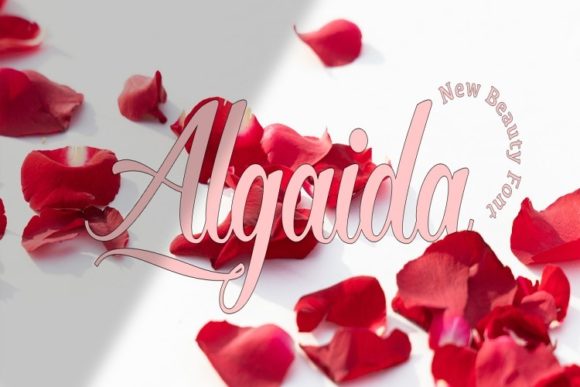
At first glance, Algaida feels like an elegant signature caught in mid-motion. Its flowing curves and carefully crafted swashes give it a sense of grace without being overly ornate. The beginning and ending strokes are particularly well-designed—subtle enough to feel natural but distinctive enough to add personality. It’s clear this is a premium font, and as someone who uses typefaces daily, I can tell you that makes all the difference.
PUA encoding is a bonus for designers who appreciate flexibility. With this feature, you get access to alternate characters and ligatures through the font panel in your design app—no need for stylistic sets or complicated workarounds. That alone made my workflow smoother than I expected from a script font.
Testing Algaida in Real Design Work
I used Algaida across several touchpoints of the candle brand’s identity. First, it went into the logo concept. The name of the product was short and sweet, and the font wrapped it up with a soft, romantic flair. When I layered it over a textured background, it held its own—no loss of clarity, even at smaller sizes on packaging labels.
Next, I tried it on a product mockup. The font looked great on glass jars with metallic foil treatments, adding a festive yet sophisticated feel. I also tested it in a website header and found that it worked surprisingly well there too, especially with a good amount of spacing between letters. On social media posts, it helped create a consistent, inviting aesthetic that felt right for the brand’s Instagram feed.
One of the more interesting applications was using it on business cards. In larger point sizes, Algaida gave off a cozy, approachable energy—perfect for a local shop aiming to build community trust. But when I tried it in body copy for a flyer, readability dropped significantly. That’s a common issue with script fonts, and it reinforced why they should be reserved for display use rather than long-form text.
Design Personality and Mood
Algaida has a warm, expressive character. It’s not the kind of script that screams “look at me!” but instead invites you to lean in and take a closer look. There’s a delicate balance between playfulness and professionalism here, which makes it incredibly versatile for creative branding projects. It fits well within themes like weddings, Valentine's Day, birthdays, and seasonal promotions, where emotion plays a big role in the message.
The mood it conveys is intimate and heartfelt. Think of handwritten notes, personalized gift tags, or a boutique bakery sign. Algaida doesn’t have the heaviness of traditional calligraphy styles—it floats gently, letting the message breathe. This subtlety is what makes it stand out from other script fonts that can sometimes feel forced or overly dramatic.
When and Where to Use Algaida
- Logo Design: Ideal for boutique brands, event logos, or any project needing a personal, high-end look.
- Packaging Design: Adds charm to product labels, especially those with a handmade or artisanal focus.
- Social Media Graphics: Works beautifully in headers and taglines, helping content stand out without overwhelming the layout.
- Web Design: Best suited for hero sections or decorative elements. Avoid using it in menus or footers where legibility is key.
- Editorial Design: Can be used sparingly in titles or pull quotes to add a human touch.
What struck me most was how well it integrated into a cohesive brand system. It wasn’t a one-trick pony. I paired it with a simple sans serif for supporting text and found the contrast very effective. The script provided warmth while the sans offered clarity—a classic combination that still works wonders in the right context.
Font Pairing Suggestions
If you're looking to pair Algaida with another typeface, consider these combinations based on the project’s needs:
- With a Serif Font: Try pairing it with something like Playfair Display or Lora for a timeless, elegant look—great for luxury products or wedding invitations.
- With a Sans Serif Font: Something clean like Montserrat or Open Sans helps keep the overall design grounded and functional.
- With Another Script Font: For a layered, handcrafted feel, combine it with a lighter or more minimal script like Alex Brush or Allura.
- With a Decorative Font: If you want to go bold, try a complementary display typeface like Bebas Neue or Bungee to highlight key phrases.
Keep in mind that Algaida is best left to headlines and accents. Let it shine where it belongs, and let a secondary font handle the heavy lifting in longer texts.
Limitations and Considerations
No font is perfect for every situation, and Algaida is no exception. While it excels in display settings, it falls short in environments requiring dense text reading. For example, I avoided using it in product descriptions or email newsletters because the flow of the script can make reading difficult after a few lines.
It also isn’t the strongest choice for formal corporate branding unless intentionally styled with restraint. However, for lifestyle brands, creative studios, and retail shops, it’s a welcome addition to the type palette.
Another thing worth noting is that while the font includes useful alternates and ligatures, some may require a bit of manual tweaking to ensure optimal spacing and alignment, especially in tight compositions like a logo or button text. But honestly, that’s part of the charm of using a script font—it gives you room to be creative with letterforms.
Practical Tips for Using Algaida
Before committing to Algaida for client work, I always do a quick test run. Here’s how I suggest you do it:
- Download the font and apply it to a variety of real-life scenarios (logo draft, business card, social media post, etc.).
- Print it out to see how it looks physically—especially if it’ll be used in print materials.
- Test it on screen at different sizes and resolutions to check digital performance.
- Review the included weights and styles (if available) to ensure it supports your full range of design needs.
Also, double-check the commercial licensing agreement before using Algaida in any professional capacity. Whether it’s for a brand identity package, merchandise designs, or a website build, having the correct permissions is essential. Some font foundries offer webfont versions for online use, so confirm whether the license covers your intended applications—like print-on-demand or social media templates.
Final Observations
Working with Algaida reminded me of why I love typography. It’s not just about aesthetics; it’s about how a typeface tells a story and shapes perception. This font brings a quiet confidence to the table—its elegance speaks volumes without shouting. It’s a great fit for brands that value authenticity, creativity, and a personal touch.
In terms of multilingual support, I noticed it covered most Western European languages, which is a plus for international clients or e-commerce platforms. File formats were standard and easy to integrate into most design tools. And yes, it does come with those handy beginning and ending swashes that really elevate the feeling of a headline or title.
While it won’t replace your go-to sans serif or serif fonts for general use, Algaida adds a unique voice to your design toolkit. It’s the kind of font that says, “This brand cares,” and that’s powerful in today’s crowded market.
So if you’re working on a branding project that calls for a little more soul, Algaida might just be the font you’ve been waiting for. Just remember to use it wisely and let it complement, not complicate, your design system.